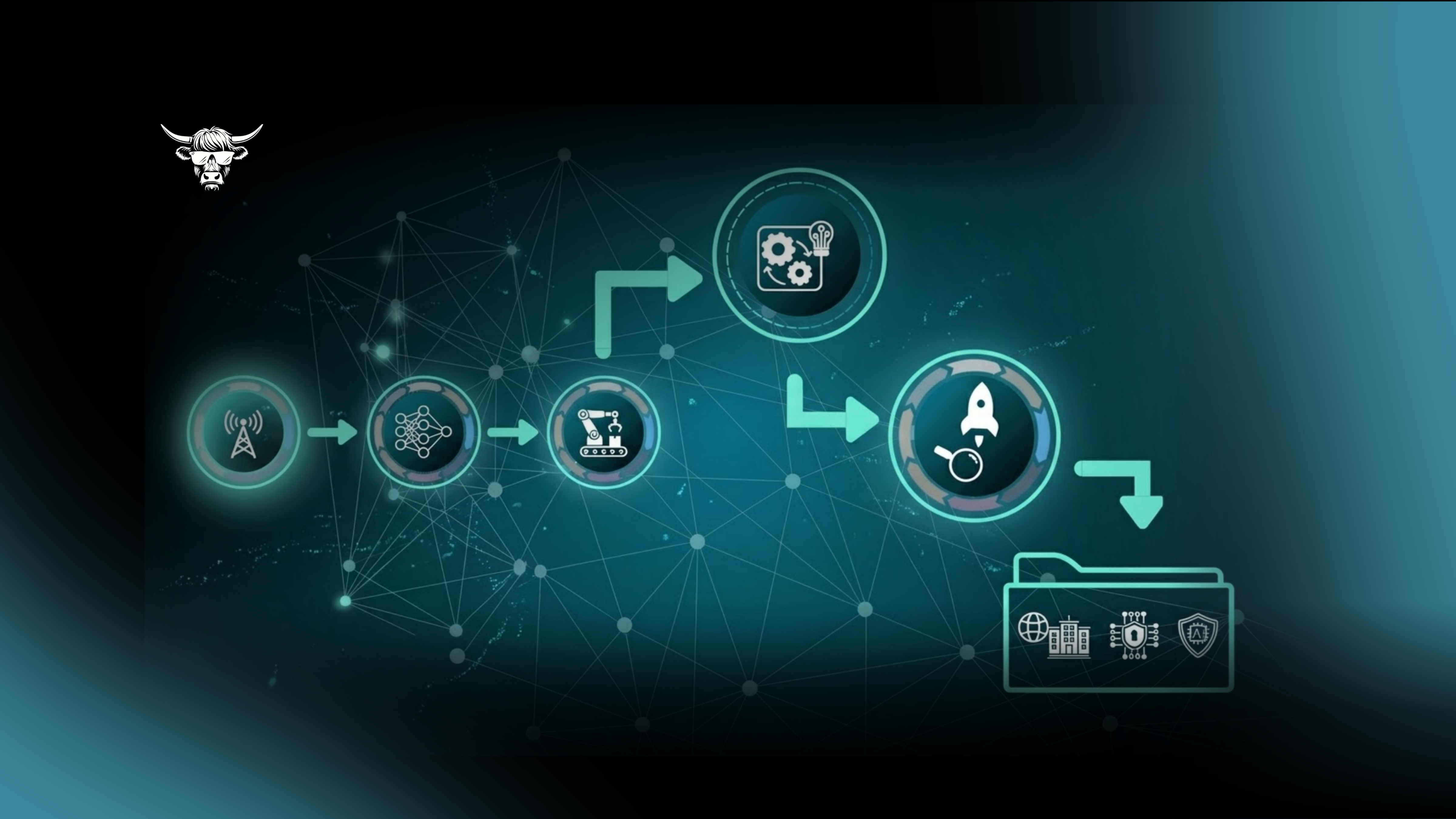
Introduction: Why Most AI Pilots Fail
Picture this: your company has launched multiple AI pilots: chatbots for customer service, predictive analytics in sales, and process automation in operations. Many executives fail to scale these pilots because they lack a clear AI strategy for executives (McKinsey, 2025).
The key to success is a structured AI strategy that aligns with business objectives, engages leadership, and focuses on measurable outcomes. This guide provides a step-by-step roadmap for executives in 2026 to move from experimentation to enterprise-wide AI adoption (Deloitte, 2025).
Step 1: Assess Your AI Strategy for Executives
Before scaling AI, executives need a clear picture of where the organization stands.
| Dimension | Questions to Ask | Metrics / Evidence |
|---|---|---|
| Technology | Are existing AI/automation tools scalable? | AI tools inventory, integration gaps |
| People & Skills | Does the team understand and trust AI outputs? | AI literacy scores, training logs |
| Processes | Which workflows are automated vs. manual? | Process maps, cycle times |
| Data & Governance | Is your data accurate, complete, and accessible? | Data quality audits, silos identified |
| Culture & Leadership | Are leaders aligned on AI vision and priorities? | Executive alignment sessions, surveys |
Example: A mid-market retailer in 2025 conducted an AI maturity assessment and discovered sales and marketing data were siloed. Addressing this gap first increased pilot success by 30% (Gartner, 2025).
Actionable Tip: Conduct a 30-day AI maturity audit with cross-functional teams to identify strengths, gaps, and opportunities.
Step 2: Define Enterprise AI Objectives for Executives
Executives often define AI projects in isolation. Success comes when AI initiatives are tied to measurable business outcomes.
Framework for Translating Business Goals into AI Objectives:
- Identify strategic priorities (e.g., revenue growth, operational efficiency, customer satisfaction)
- Map potential AI use cases to each priority
- Define measurable KPIs (e.g., reduce churn by 10%, cut operational costs by 15%)
Mini-Case Study: A global financial services firm linked AI-driven predictive models to loyalty programs, achieving a 12% reduction in churn within six months (Deloitte, 2025).
Pro Tip: Start with 3–5 high-impact AI objectives and avoid “AI for AI’s sake.”
Step 3: Prioritize High-Impact AI Use Cases
Executives should evaluate use cases based on:
| Criteria | Description | Example |
|---|---|---|
| ROI | Expected financial or operational impact | Automating invoice processing |
| Feasibility | Technical complexity and data readiness | Predictive maintenance for machinery |
| Risk | Compliance, ethical, or reputational concerns | AI hiring recommendations |
| Scalability | Ability to expand across teams/departments | AI-driven supply chain optimization |
Tip: Score each use case and prioritize those with high ROI, moderate risk, and high scalability first (McKinsey, 2025).
Step 4: Build a Phased Implementation Roadmap
Scaling AI requires a phased approach rather than enterprise-wide deployment at once.
Suggested Phases:
- Pilot Phase (0–3 months): Test AI in a single team or workflow. Measure KPIs and gather feedback.
- Validation Phase (3–6 months): Expand to multiple teams, refine AI models, and ensure integration with existing systems.
- Enterprise Rollout (6–12 months): Scale successful pilots across departments with governance, training, and dashboards.
- Continuous Optimization: Regularly evaluate outcomes, iterate workflows, and refine AI models (Gartner, 2025).
Example: A manufacturing company rolled out predictive maintenance AI in one plant, validated it in three more, then scaled to all 20 plants within a year. Downtime dropped by 20% (Deloitte, 2025).
Leadership Tip: Assign AI champions in each department to facilitate adoption and provide feedback.
Step 5: Measure, Iterate, and Optimize
Continuous evaluation is key. Executives should monitor:
- Adoption Metrics: Are employees using AI tools effectively?
- Process KPIs: Are workflows faster or more accurate?
- Financial Impact: Are revenue, cost, or productivity targets being met?
- Employee & Customer Feedback: Are stakeholders satisfied with AI outputs?
Sample KPI Dashboard:
- AI adoption rate: 85% target
- Average process cycle time reduction: 15% target
- Error reduction: 10–20%
- ROI per AI project: >15%
Pro Tip: Use dashboards and regular executive reviews to catch bottlenecks early and iterate before scaling (McKinsey, 2025).
Step 6: Governance, Ethics, and Culture
AI adoption isn’t just technical—it’s human and organizational.
- Ensure compliance with regulations (GDPR, financial, industry-specific)
- Track AI decision-making for transparency
Culture:
- Promote experimentation and learning
- Celebrate AI successes publicly
- Provide reskilling opportunities
Example: A Fortune 500 financial company created a quarterly “AI Innovation Review” to recognize teams implementing creative, ethical AI solutions (Gartner, 2025).
Step 7: Call-to-Action for Executives
Even with a roadmap, executives may struggle without expert support. Consider:
- AI strategy consulting: Help prioritize use cases, define KPIs, and build governance frameworks
- Workshops and executive coaching: Train leadership on AI adoption and cultural alignment
- Audit services: Evaluate current AI pilots and scalability potential
Next Step: Schedule a 30-day AI strategy audit to map your organization’s readiness and move from pilot projects to enterprise-wide AI transformation (Deloitte, 2025).
Conclusion: Strategy + Execution = AI Success
Executives in 2026 face a choice: keep running fragmented pilots or implement a structured, measurable, enterprise-wide AI strategy. Success requires:
- Assessing AI maturity
- Defining objectives tied to KPIs
- Prioritizing high-impact use cases
- Rolling out AI in phases
- Measuring, iterating, and optimizing
- Ensuring governance, ethics, and cultural readiness
With this framework, AI stops being a “tech experiment” and becomes a strategic driver of growth, efficiency, and competitive advantage (McKinsey, 2025; Deloitte, 2025; Gartner, 2025).
Reference
- Deloitte Insights. (2025). Enterprise AI roadmap & pilots. Deloitte. Retrieved from https://www2.deloitte.com
- Gartner. (2025). AI scaling best practices. Gartner. Retrieved from https://www.gartner.com/en/articles/scaling-ai
- McKinsey & Company. (2025). AI strategy for executives. McKinsey & Company. Retrieved from https://www.mckinsey.com